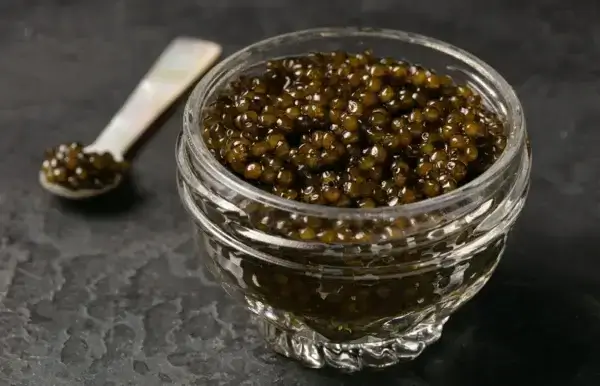
What Is Caviar?
THESE ARE OUR BEST PRODUCTS BELOW
CAVIAR
ABALONE ,
CRABS ,
.
Caviar is one of the world’s most famous luxury foods, known for its delicate flavor, distinctive texture, and premium price. Traditionally, caviar refers specifically to the salt-cured eggs, or roe, of sturgeon fish. It is often served in small portions as an appetizer or used to add an elegant touch to gourmet dishes.
Although many types of fish roe are sometimes marketed as “caviar,” authentic caviar traditionally comes from sturgeon. Today, caviar is enjoyed in fine restaurants, luxury hotels, special events, and homes around the world.
Understanding what caviar is, where it comes from, how it is made, and how to eat it can help you appreciate why this delicacy has become a symbol of luxury and fine dining.
Where Does Caviar Come From?
Caviar comes from the eggs of female sturgeon. Sturgeon are ancient fish that have existed for millions of years and are found naturally in parts of Europe, Asia, and North America.
Historically, some of the most famous caviar came from sturgeon living in the Caspian Sea, particularly in regions associated with countries such as Iran and Russia. The Caspian Sea became well known for producing highly prized varieties of sturgeon caviar.
Today, much of the world’s commercial caviar comes from sturgeon farms. Aquaculture has become increasingly important because wild sturgeon populations have faced significant pressure from overfishing and habitat changes.
How Is Caviar Harvested?
Producing caviar is a careful and time-consuming process. Female sturgeon must reach maturity before they produce eggs suitable for harvesting. Depending on the species, this can take several years.
Once the eggs are collected, they are carefully separated from surrounding tissue and inspected for quality. The eggs are then lightly salted using a traditional process known as malossol, a Russian term meaning “little salt.”
What Does Malossol Mean?
Malossol caviar contains relatively little salt compared with heavily salted fish roe. The purpose is to preserve the eggs while allowing their natural flavor and texture to remain prominent.
High-quality caviar is generally handled gently because the eggs are delicate and can easily be damaged during processing.
What Does Caviar Taste Like?
The flavor of caviar can vary considerably depending on the sturgeon species, farming conditions, age of the fish, and processing method.
Good-quality caviar is often described as having a combination of briny, buttery, nutty, and slightly oceanic flavors. Some varieties have a clean and delicate taste, while others can be richer and more pronounced.
The texture is equally important. When eaten, high-quality caviar should generally have firm, distinct eggs that gently pop in the mouth.
Why Is Caviar So Expensive?
Caviar is expensive for several reasons. One of the biggest factors is the long time required for sturgeon to mature. Female sturgeon may need many years before they produce harvestable eggs.
Other factors include:
- The rarity of certain sturgeon species
- The time and cost involved in aquaculture
- Careful harvesting and processing
- Strict quality control
- Refrigerated storage and transportation
- Limited production of premium varieties
- Demand from luxury food markets
The combination of limited supply, specialized production, and high demand contributes to caviar’s reputation as a luxury delicacy.
Types of Caviar
There are several varieties of caviar, and they differ according to the species of sturgeon from which the eggs come. The size, color, texture, and flavor of the eggs can vary significantly.
Beluga Caviar
Beluga caviar traditionally comes from the beluga sturgeon, one of the largest sturgeon species. Its eggs are typically large and can range from pale gray to darker shades.
Beluga caviar has historically been considered one of the most luxurious types of caviar because of its rarity and the long maturation period of the fish.
Osetra Caviar
Osetra caviar comes from the Russian sturgeon and related sturgeon species. Its eggs are often medium-sized and may range from golden brown to dark gray.
Osetra is valued for its complex flavor, which can have nutty and mildly briny characteristics.
Sevruga Caviar
Sevruga caviar traditionally comes from the sevruga sturgeon. Its eggs are generally smaller than those of Beluga and Osetra.
It is often known for a more pronounced, salty, and oceanic flavor, making it popular among people who enjoy a stronger caviar experience.
Farmed Caviar
Modern farmed caviar has become an important alternative to traditionally harvested wild caviar. Sturgeon farms allow producers to control breeding and harvesting while helping reduce pressure on wild populations.
Farm-raised caviar can be exceptionally high in quality, and many premium producers now specialize in carefully raised sturgeon and gourmet caviar.
What Is the Difference Between Caviar and Fish Roe?
The terms caviar and roe are sometimes used interchangeably, but they do not always mean the same thing.
Roe is a general term for fish eggs. It can come from many different species, including salmon, trout, lumpfish, and flying fish.
Traditional caviar, on the other hand, specifically refers to salt-cured sturgeon eggs.
Is Salmon Roe Caviar?
Salmon roe is not traditional sturgeon caviar. However, it is sometimes casually described as salmon caviar.
Salmon roe has much larger, bright orange eggs and a distinctly different flavor and texture. It is commonly used in sushi, seafood dishes, appetizers, and other cuisines.
How Do You Eat Caviar?
Caviar is usually served chilled and eaten in small portions. Because its flavor is delicate, it is often paired with simple foods that complement rather than overpower it.
Traditional accompaniments include:
- Blinis
- Crème fraîche
- Toast points
- Unsalted crackers
- Chopped chives
- Boiled or baked potatoes
- Mildly flavored eggs
Caviar can also be eaten on its own to appreciate its flavor and texture.
Why Is Caviar Served With a Special Spoon?
Caviar is traditionally served with spoons made from materials such as mother-of-pearl, bone, glass, or other non-reactive materials.
The reason is largely about preserving the delicate flavor of the caviar. Traditionally, reactive metals such as silver were avoided because they could potentially affect the taste.
Should You Chew Caviar?
Caviar is generally not something that needs to be aggressively chewed. Instead, place a small amount on the tongue and allow the eggs to gently burst.
This allows you to experience the texture, saltiness, aroma, and subtle flavors.
How Should Caviar Be Stored?
Caviar is a highly perishable food and should be kept properly refrigerated. It is best stored at a consistently cold temperature and consumed according to the producer’s instructions.
Once opened, caviar should generally be consumed quickly for the best quality. Always follow the storage and use-by guidance on the packaging.
Can Caviar Be Frozen?
Freezing is generally not recommended for premium caviar because it can damage the delicate texture of the eggs. If caviar is frozen, the eggs may lose some of their characteristic firmness and texture after thawing.
For the best experience, purchase an amount that can be consumed while fresh.
Why Is Caviar Considered a Luxury Food?
Caviar has been associated with wealth, celebrations, royalty, and fine dining for centuries. Its luxurious reputation comes from a combination of rarity, specialized production, distinctive taste, and historical significance.
Today, you do not have to visit an exclusive restaurant to enjoy caviar. Farmed varieties and different price points have made caviar more accessible to consumers.
Nevertheless, premium caviar remains a highly sought-after gourmet product.
Is Caviar Healthy?
Caviar contains several nutrients, including protein, omega-3 fatty acids, vitamin B12, and other vitamins and minerals. However, it is also relatively high in sodium because salt is used during the preservation process.
Like many foods, caviar can be enjoyed as part of a balanced diet, particularly when eaten in moderate portions.
Frequently Asked Questions About Caviar
What is caviar made of?
Traditional caviar is made from the salt-cured eggs of sturgeon fish. The eggs are carefully processed and lightly salted to preserve them while maintaining their natural flavor and texture.
Does caviar come from fish?
Yes. Traditional caviar comes from the eggs of female sturgeon. Other types of fish eggs are generally referred to as roe, although some may be marketed using the word “caviar.”
Why is caviar so expensive?
Caviar can be expensive because sturgeon take many years to mature, production is specialized, high-quality eggs require careful handling, and premium varieties can be limited in supply.
What is the best caviar?
There is no single “best” caviar for everyone. Beluga, Osetra, and Sevruga have different characteristics, while high-quality farmed caviar can also offer an excellent gourmet experience.
What does caviar taste like?
Caviar typically has a salty, briny, buttery, and sometimes nutty flavor. Its taste varies depending on the sturgeon species, production method, and quality.
Final Thoughts on Caviar
Caviar is much more than an expensive food served at luxury restaurants. It is a carefully produced delicacy with a long history and a unique combination of flavor and texture.
Traditional caviar comes from salt-cured sturgeon eggs, with varieties such as Beluga, Osetra, and Sevruga being among the best known. Modern aquaculture has also made high-quality farmed caviar increasingly available.
Whether you are trying caviar for the first time or looking to understand this gourmet delicacy better, learning about its origin, production, varieties, and proper serving methods can make the experience far more enjoyable.